
The Otis’s of Barnstable County
By Sally Gunning
The Town of Barnstable was the only Massachusetts town that did not vote in favor of Independence in 1776. How ironic, then, that two of the Revolution's most influential firebrands were born and raised there.
James Otis, Sr., was a small-town farmer turned small-town lawyer turned small-town politician who ended up Speaker of the Massachusetts House of Representatives. At one point he represented half of the litigants at Barnstable County Court (Brewster Historical Society holds legal documents bearing his signature).
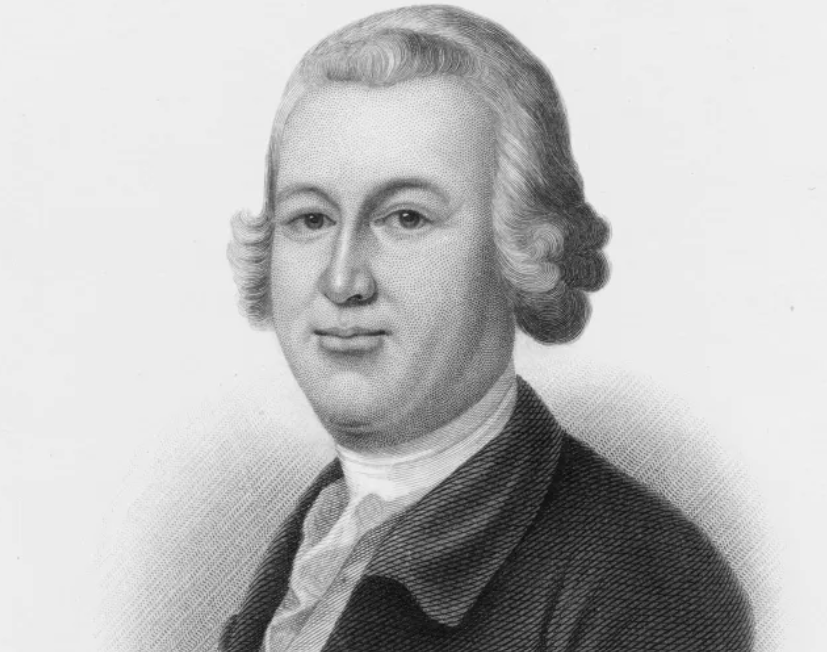
James Otis, Jr.
James Otis, Jr., was a Harvard educated lawyer whose local law practice paled in comparison to his much better connected father until he relocated to Boston and became Justice of the Peace, deputy of the Admiralty Court, and a member of the House of Representatives. With the help of his Harvard connections, his practice flourished in Boston, and when on several occasions he faced his father in court, he was the victor.
By the 1760's James Jr. was one of the first voices of opposition to England's Parliamentary rule over the colonies. In 1761 he spoke out against the Crown's Writs of Assistance, which allowed for what he considered illegal search and seizure of smuggled goods. He used constitutional principle as the basis of his argument, an unheard of tactic at the time. In that speech he declared that Natural Law took precedence over Parliamentary Law, that a man's house was his castle, and Man had a natural right to his life liberty, and property (sound familiar?). He also spoke out in favor of a woman's right to education and suffrage alongside men. He endorsed abolition.
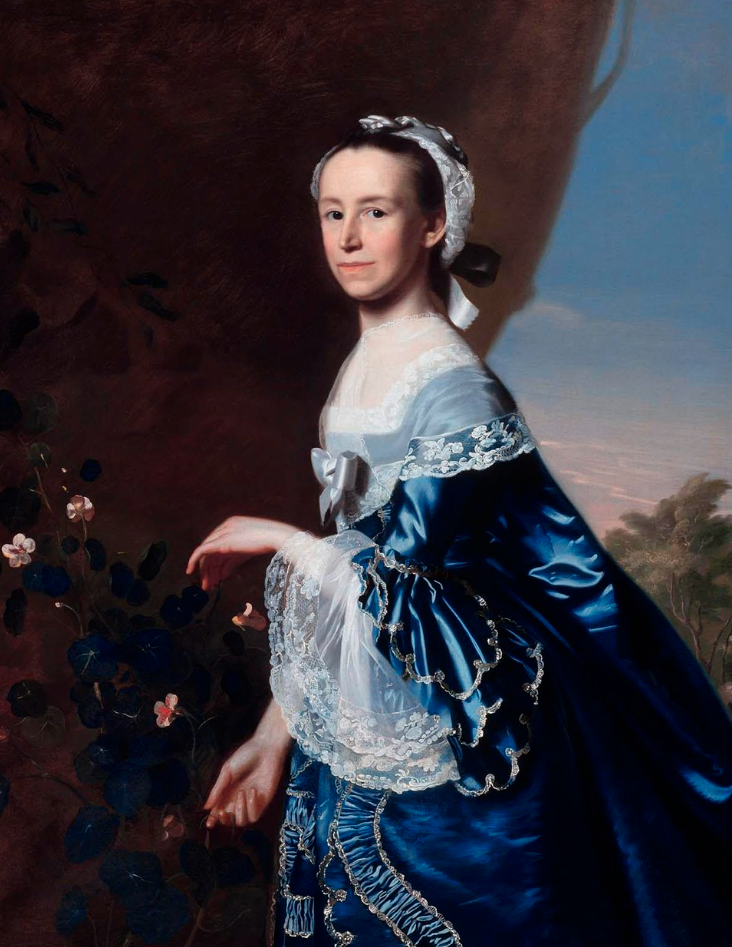
Mercy Otis Warren
But here's what I admired most about these two men: their support of the daughter/sister Mercy Otis. Early on the father recognized his daughter's intellect and allowed her to attend the lessons with her brothers' tutor, another unheard of practice at the time. James, Jr., shared his books and knowledge with her and exposed her to Greek, Roman, and English literature. When Mercy married another rebel, James Warren, their house became a meeting place for such Revolutionaries as John and Sam Adams. Mercy found in her husband a third remarkable man for the times, as he supported her as she began to write poetry and plays.
But by the 1770's James Otis, Sr. began to sink into old age, and he retired from the political scene in Boston to Barnstable. At almost the same time tragedy struck James Otis, Jr. and he descended into mental illness. In 1771 the family petitioned the court to put him under guardianship, and he was legally declared non compos mentis, or a "lunatick person."
With the extinguishment of the "flame of fire" as Adams called James Otis, Jr., Mercy took up the torch, or that is to say, the pen. Her writing, by necessity published anonymously because she was a woman, began to take on a fiery tone, and in 1773, just weeks after the Boston Tea Party, John Adams wrote to her: "I wish to see a late glorious event celebrated by a certain poetical pen which has no equal that I know in this country." Mercy's career as a Revolutionary propagandist had begun. Adams later claimed Mercy "laid the foundation of revolution," but she didn't stop there.
Sally C. Gunning is the President of Brewster Historical Society and the author of critically acclaimed historically themed fiction.
Visit our Cobb House Museum at 739 Lower Road, Brewster, to discover more about our local history stories. (For museum hours go to www.brewsterhistoricalsociety.org)
